
Pet theft does occur in Vietnam, but it is not random. Outdoor cats are at risk of going missing, while indoor cats are considered very low risk. Cats that roam freely may be picked up by someone assuming they are stray, may wander far from home, or may become injured. The cat and dog meat trade is also a threat and is still very much active. Cats are sometimes stolen and used for meat. Keeping cats indoors, especially in urban areas, significantly reduces these risks.
Dogs are more vulnerable than cats, particularly small breeds, purebred or “expensive-looking” dogs, and dogs that are friendly and easy to approach. Most theft cases involve dogs that are left unattended, tied outside shops or cafés, allowed to roam freely, or walked off-leash in unsecured areas. In many situations, the issue is not targeted theft but opportunity.
Basic precautions such as keeping pets indoors, walking dogs on a leash, and avoiding leaving dogs unattended in public places, outside your home, or in your yard can greatly reduce risk. Using collars with a local Vietnamese phone number and microchipping pets could also make a difference if your pet goes missing. In expat-heavy neighbourhoods and major cities, responsible pet ownership is common, and theft is rare when these measures are followed, although it is not impossible.
If your pet is stolen, you can use community resources to spread awareness.
For most newcomers, the main challenge is preventing pets from getting lost, especially during the first weeks after arrival. New homes, unfamiliar sounds, heavy traffic, fireworks, storms, and construction noise can all be overwhelming for animals and may lead to escape attempts if precautions are not in place.
Vietnamese cities can feel intense at first, and pets need time to adjust to their new environment.
Taking simple steps such as securing balconies, windows, doors, and gates greatly reduces risk. Cats are safest when kept indoors, particularly during the initial settling-in period. Using identification tags, microchipping, and keeping recent photos of your pet readily available adds an important layer of security, because the return rate for lost or stolen pets can be low and prevention is the most effective protection.
Dog and cat theft for resale does occur, and the dog and cat meat trade is still present in Vietnam. These risks are real, but theft can often be prevented. This is often the most distressing concern for incoming pet owners, and it is understandable.
Dogs and cats most at risk are those that are free-roaming, unowned or loosely owned, and without collars or identification. Pets allowed to wander, even briefly, are more vulnerable to being taken either opportunistically or intentionally. In contrast, dogs that live indoors, are closely supervised, walked on a leash, and clearly identifiable as owned are at substantially lower risk. The same applies to indoor cats.
Because recovery rates for stolen dogs and cats are low, prevention is essential. Consistent supervision, secure housing, visible identification, and controlled outdoor access are the most effective ways to reduce risk. While these concerns should not be ignored, informed and cautious pet management significantly lowers the likelihood of serious incidents.
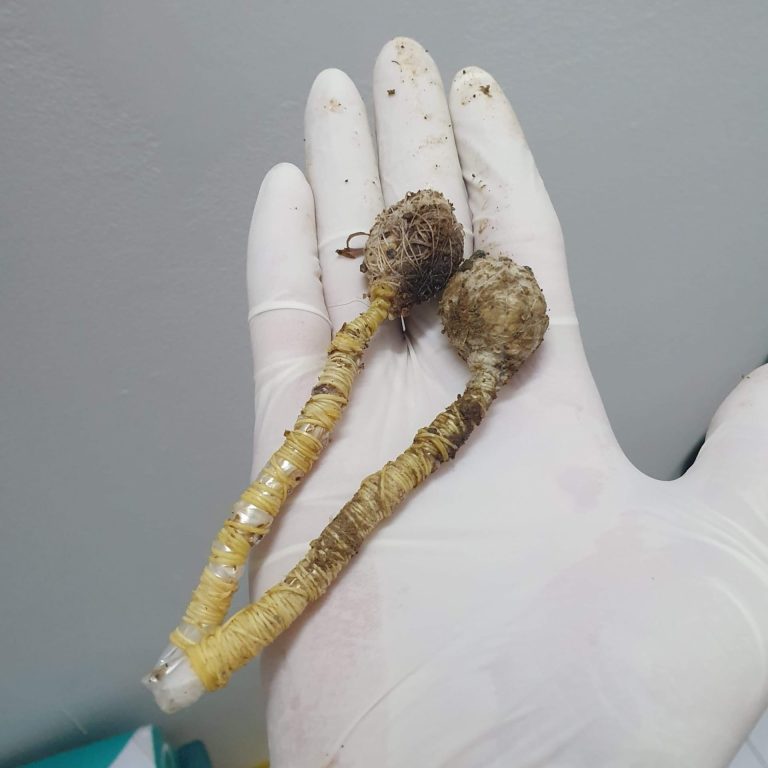
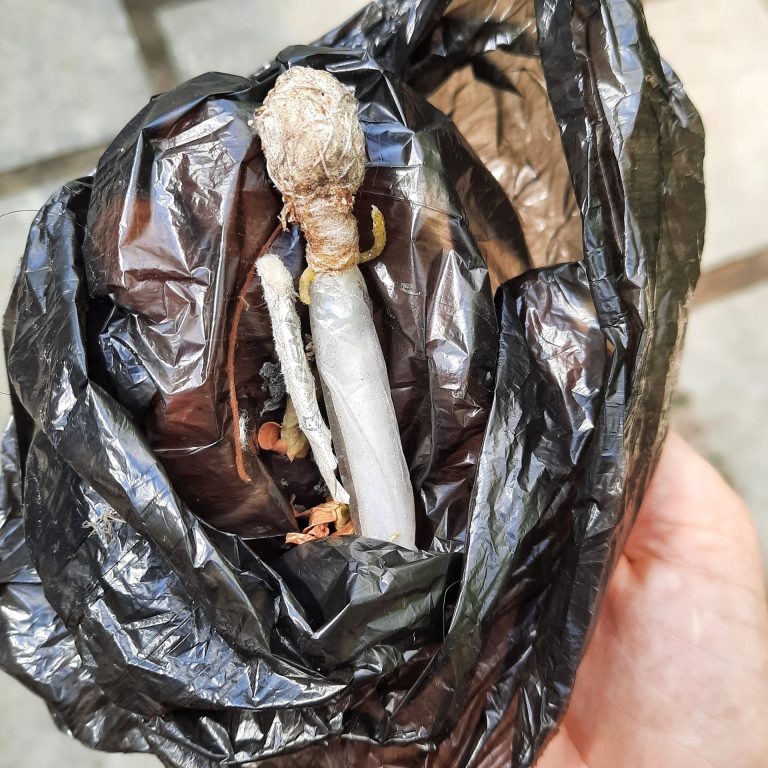
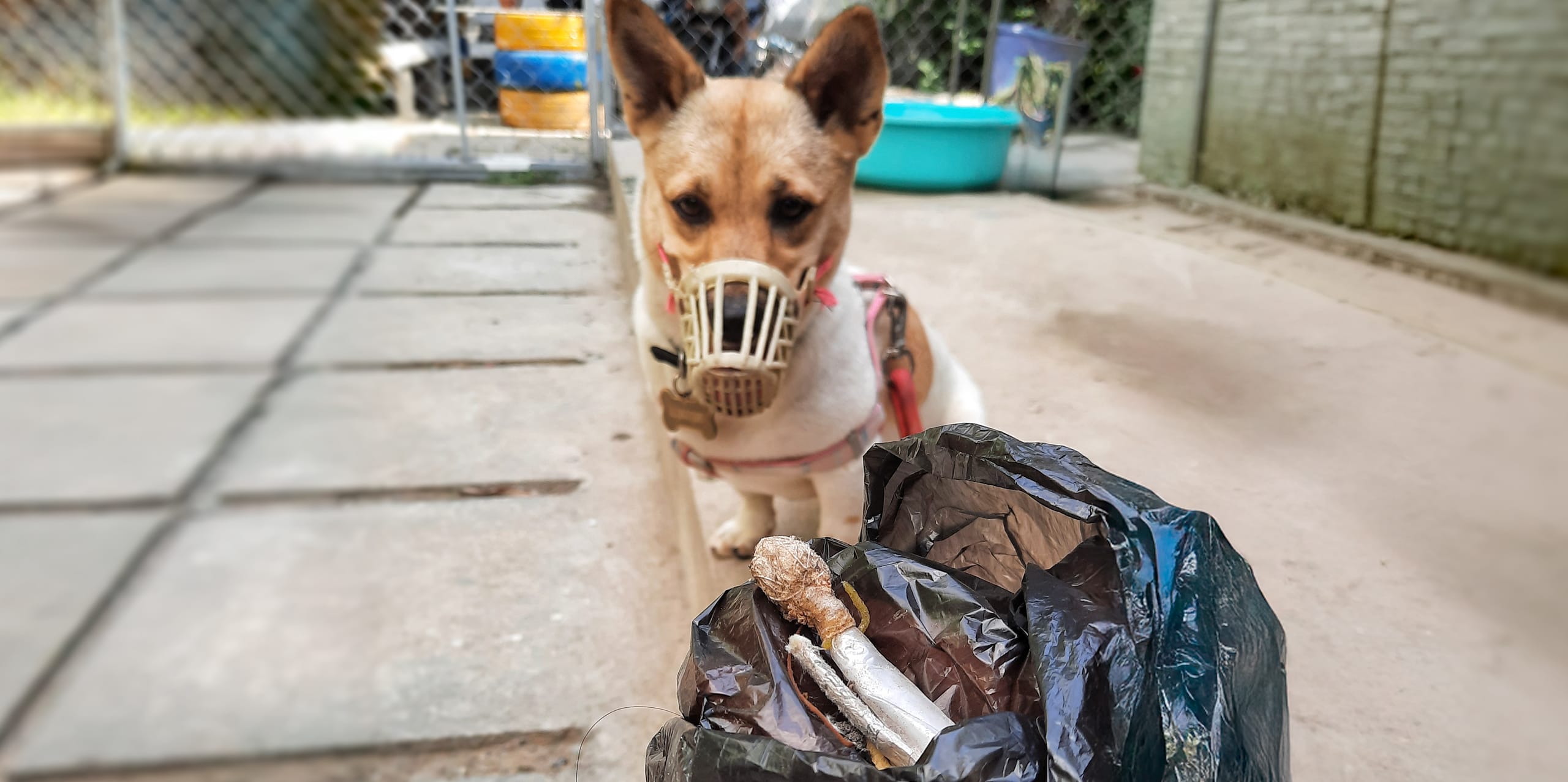
A genuine safety issue that owners should be aware of is intentional poisoning, which unfortunately occurs in some areas. This is often related to neighbourhood disputes, fear of dogs, attempts to control free-roaming animals, or the illegal meat trade.
One commonly reported method involves toxic substances hidden in food, sometimes referred to locally as “lollipop poison”. These poisons may be placed inside meat, bread, or other attractive food items and left on the ground, resembling a lollipop. There are also reports of contact poisons, where toxic substances are applied to objects or food that animals may lick or chew. These substances can act very quickly and are extremely dangerous.
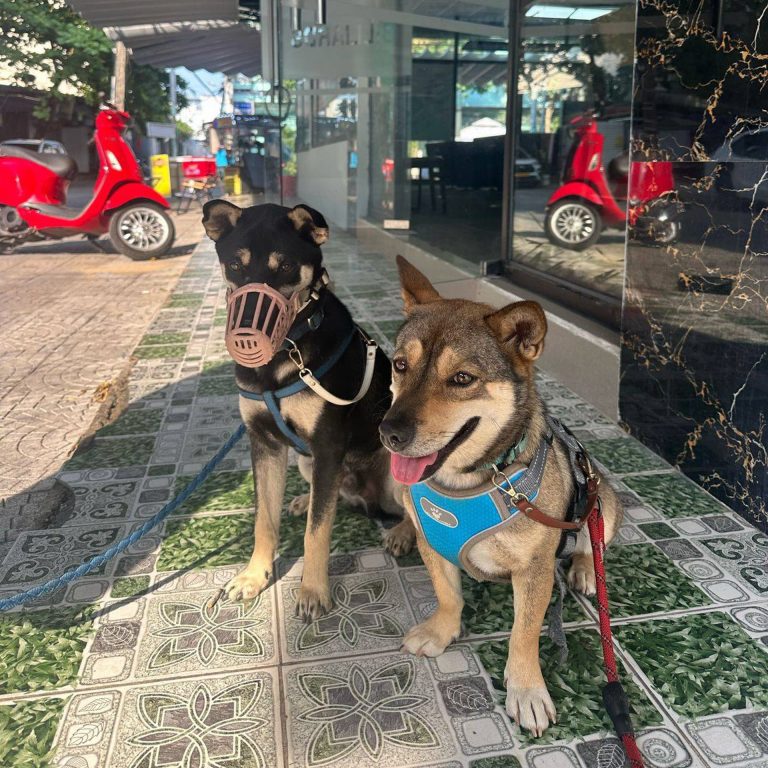
Pets at highest risk are those allowed to roam freely, those walked off-leash, or dogs that pick up food from the ground. Keeping dogs on a short leash, discouraging scavenging, supervising outdoor time closely, and training your dog to be comfortable with a muzzle are important precautions. Sudden symptoms such as vomiting, excessive salivation, tremors, seizures, weakness, or collapse should be treated as an emergency, and immediate veterinary attention is critical.
While poisoning incidents are not everyday occurrences, awareness and prevention are key. Most long-term expat pet owners never experience this issue, especially when pets are supervised and do not have access to unattended food outdoors.
If you suspect your pet has been poisoned, call our clinic immediately.
Vietnam’s pet culture is changing rapidly, especially in larger cities. It is increasingly common to see pet strollers, dog cafés, grooming salons, and veterinary hospitals offering advanced care. Many young Vietnamese pet owners treat their animals as family members.
At the same time, attitudes can vary widely. Older generations may view animals differently, and rural areas often have different norms from urban environments. Curiosity towards pets does not automatically mean bad intent, and a calm, confident approach helps prevent misunderstandings.
Not sure how to adapt? Talk to us.
Simple daily habits go a long way in keeping pets safe. Keeping pets indoors at night, avoiding walks very late at night or early in the morning in unfamiliar areas, using a harness for dogs prone to slipping collars, and knowing the location of nearby veterinary clinics and animal welfare groups all contribute to a safer experience.
Living in Vietnam with dogs and cats requires a higher level of awareness and responsibility than in many Western countries. While many expats do live here long-term with their pets, safety is not automatic and should never be assumed. The most common challenges include pets escaping, the risk of theft or poisoning, heat-related issues, and parasites or preventable diseases.
That said, most serious incidents occur when pets are allowed to roam freely, are left unsupervised, or when owners are unaware of local risks. Pets that are closely supervised, kept indoors or securely contained, walked on a leash, and monitored carefully outdoors are significantly safer.
Vietnam is not a place where pets can be treated casually or given unrestricted freedom.
However, with vigilance, realistic expectations, and consistent precautions, many dogs and cats do live safe, healthy lives here. Awareness and prevention—not fear—are the most effective tools for protecting your pet.
Want to learn more?